
Garden Fencing To Suit Windsor Homes
Windsor is a town where the look of a boundary matters. LJ’s Fencing & Garden Services are a Datchet firm, facing Windsor from the other bank of the Thames, and we put up new garden fencing, carry out fence repairs and take away old or unsafe fences in Windsor, Clewer, Dedworth, Eton and Old Windsor. This page begins with the styles of fence and where each one suits, then turns to the older streets where extra rules can apply.
Fence Styles And Where They Suit
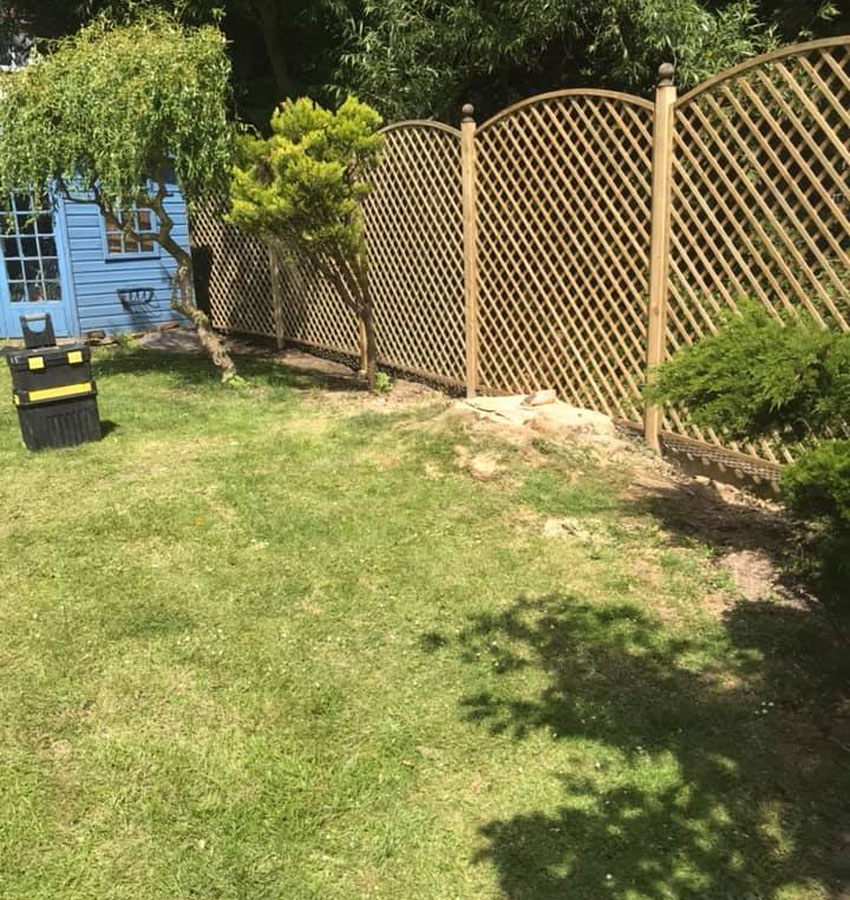
Close board fencing is made from upright boards overlapped on rails, which gives a solid, plain face. It is a sturdy style and suits a long back boundary or an exposed side. Panel fencing comes in ready made sections that fit between timber or concrete posts, so it goes up neatly and one panel can be changed later without disturbing the rest. Trellis topped panels keep the lower part solid for privacy and let light through above, which helps in a small garden where a full height solid fence might feel like a wall.
Matching The Fence To The House
A fence should sit quietly beside the house. Next to a Victorian terrace, a simple timber fence usually looks more at home than something heavy. Where a garden wall already runs part of the way, a fence that lines up with the top of the brickwork ties the two together. Beside a modern house almost any style will do, and the choice comes down to how much privacy you want and how the garden is used.
Conservation Areas And Listed Buildings
The Royal Borough of Windsor and Maidenhead has 27 conservation areas. In and around the town they include Inner Windsor, Trinity Place and Clarence Crescent, and Mill Lane in Clewer Village, and our own village of Datchet has one as well. Most of Windsor’s streets were laid out in the mid to late 19th century, and a number of houses are listed. In places like these a front boundary is part of the character of the street, and altering it, or taking down an old wall or fence, can need consent that would not be asked for elsewhere. Speak to the Royal Borough’s planning team before you settle on a design. The decision is theirs, and asking first is far easier than changing a fence afterwards.
Back Garden Boundaries In Clewer And Dedworth
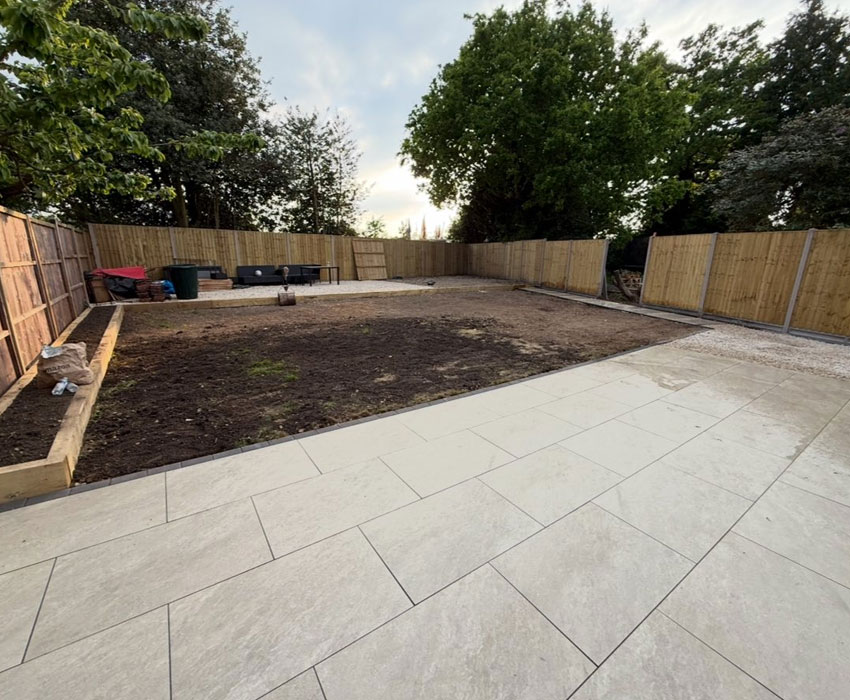
Away from the historic centre, fencing is mostly the practical kind. Gardens in Clewer and Dedworth generally have a fence down each side and across the end, shared with the houses around them. Privacy from the windows next door, a safe garden for a dog and a neat line behind the borders are the usual aims. A close board fence or solid panels on firm posts will do all three.
Our Fencing Work In Windsor
For fencing in Windsor, we can help with:
- A new fence for any garden boundary
- Single panels changed for new
- Replacement fence posts
- Storm damaged sections repaired
- Unsafe or unwanted fencing removed
- Fencing planned with a new garden layout
Repair Or Replace
The test is simple. If the uprights are solid and only the infill has suffered, mend it. If the uprights themselves are going, money spent on new panels is wasted, because they will hang from supports that cannot hold them. We will tell you which side of that line your fence is on.
Nearby Fencing And Garden Care
Everything we fit is described on our fencing services page. Up the river we are also a fencing company in Maidenhead, and to the north of Datchet we work as fencing contractors in Slough. When the fence is finished, our gardeners in Windsor can keep the garden in front of it looking its best.
Windsor Fencing Questions
A: For an ordinary back garden fence, often not, but do not assume. Some streets have extra controls, listed buildings always need checking, and removing an existing wall or fence can need consent of its own. The council makes the decision, so contact the Royal Borough’s planning team with your address before any work is booked.
A: Yes. As a general guide a garden fence may be up to 2 metres high, or 1 metre beside a road, without planning permission, and that is measured from the ground to the very top, trellis included. A 1.8 metre panel with a strip of trellis above it can go over the limit, so measure the whole thing.